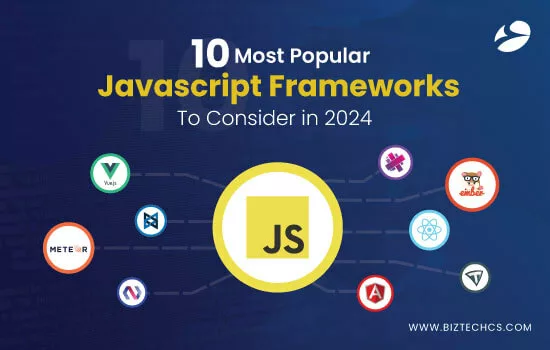
Top 5 JavaScript Frameworks for Beginners: Finding Your Perfect Match
As a beginner in web development, choosing the right JavaScript framework can significantly impact your learning experience and project success. With a myriad of options available, it can be overwhelming to find the perfect fit for your needs. In this article, we will explore the top 5 JavaScript frameworks for beginners, focusing on their unique features, community support, and ease of learning. This guide will help streamline your decision-making process, allowing you to devote more time to coding and less time evaluating frameworks.
Here are the top 5 JavaScript frameworks that every beginner should consider:
- React: A popular choice for building user interfaces with a component-based architecture.
- Vue.js: Known for its simplicity and flexibility, making it ideal for new developers.
- Angular: A full-fledged framework backed by Google, providing a comprehensive solution for developing large applications.
- Ember.js: Offers conventions and best practices that enhance productivity, perfect for beginners.
- Svelte: A newer framework that compiles code at build time, ensuring high performance with a simple syntax.
These frameworks serve as an excellent starting point, providing a strong foundation for your web development journey.
Understanding the Key Features of Popular JavaScript Frameworks
JavaScript frameworks are essential tools that streamline the development process, making it easier for developers to build dynamic and interactive web applications. Some of the most popular frameworks include React, Angular, and Vue.js. Each of these frameworks comes with its unique features:
- React: A library for building user interfaces, focused on a single-page application model with reusable components.
- Angular: A full-fledged framework that offers two-way data binding, dependency injection, and a powerful CLI for building scalable applications.
- Vue.js: Known for its simplicity and flexibility, Vue allows for incremental adoption, making it easy to integrate with other projects.
Understanding the key features of these frameworks can significantly enhance a developer's efficiency and the overall performance of a web application. For instance, React's virtual DOM improves rendering speeds, while Angular's strong typing features help prevent runtime errors. Meanwhile, Vue.js provides a gentle learning curve combined with advanced functionalities like computed properties and custom directives that appeal to both novice and experienced developers. By weighing these attributes, developers can choose the framework that best aligns with their project requirements and goals.
Which JavaScript Framework Should You Choose for Your Next Project?
When deciding which JavaScript framework to use for your next project, it's essential to consider your specific project requirements and team expertise. Popular frameworks like React, Vue.js, and Angular each offer distinct advantages. For instance, React is renowned for its flexibility and performance, making it a top choice for complex user interfaces. Meanwhile, Vue.js excels in ease of integration, often preferred for smaller applications or those new to modern JavaScript development.
Additionally, it's crucial to assess the framework's community support and ecosystem. A framework backed by a robust community typically ensures better longevity and availability of resources. Consider factors like documentation, third-party libraries, and developer tools. To summarize, here are some key factors to think about when choosing a framework:
- Project size and complexity
- Team familiarity with the framework
- Community and ecosystem